Thinking about studying the arts at university? Whether you’re preparing for your first degree or looking to take your artistic practice further, you may be wondering what your next step could look like. Perhaps you want to build your skills through studio work or explore how digital tools can take your ideas into new territory. The right university can give you the space to explore your interests while sharpening your distinct voice.
If you’re ready to see how far your vision can go, explore these three universities and discover a place where your talent can thrive:
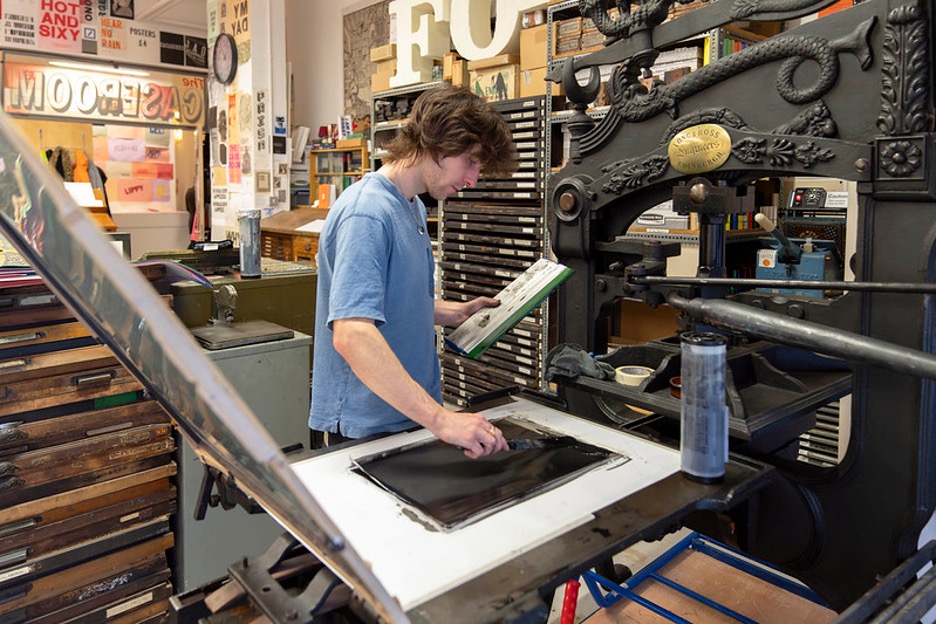
The Glasgow School of Art is ranked third in the UK and eighth in the world for art and design (QS World University Rankings by Subject 2026). Its creative network spans 20,000+ graduates across 95 countries. Source: The Glasgow School of Art
The Glasgow School of Art
What if your best creative work starts with giving yourself room to experiment? At The Glasgow School of Art (GSA), students have done just that since 1845. Located in one of the UK’s most dynamic student cities, the GSA gives you the space and tools to turn original ideas into real-world impact across four specialist schools: Fine Art, Design, Architecture, and Innovation & Technology.
And GSA graduates have done just that, contributing to creative and cultural industries internationally. Jasleen Kaur became the GSA’s seventh Turner Prize winner, while Artist in Residence Militsa Milenkova designed the Commonwealth Games 2026 medals, the first in the Games’ history to feature braille and tactile elements.
Whether you choose an undergraduate or postgraduate programme, expect an education defined by hands-on studio work paired with theory, research, and interdisciplinary collaboration. The goal is to equip you with both creative and professional capabilities.
Want to study Fine Art or Design? The GSA offers undergraduate programmes such as Painting & Printmaking that provide a foundation for developing your artistic practice, while the Master of Fine Art (MFA) is designed to give you the time and focus to rigorously refine your creative practice.
Passionate about Design? The Silversmithing & Jewellery programme deserves serious consideration. It now includes an integrated master’s option, providing a seamless transition from undergraduate study to a postgraduate year of advanced practice and research.
Whether you have a clear creative direction or are still exploring, the GSA gives you the space and skills to turn your ideas into a career. Find your creative community at the GSA.
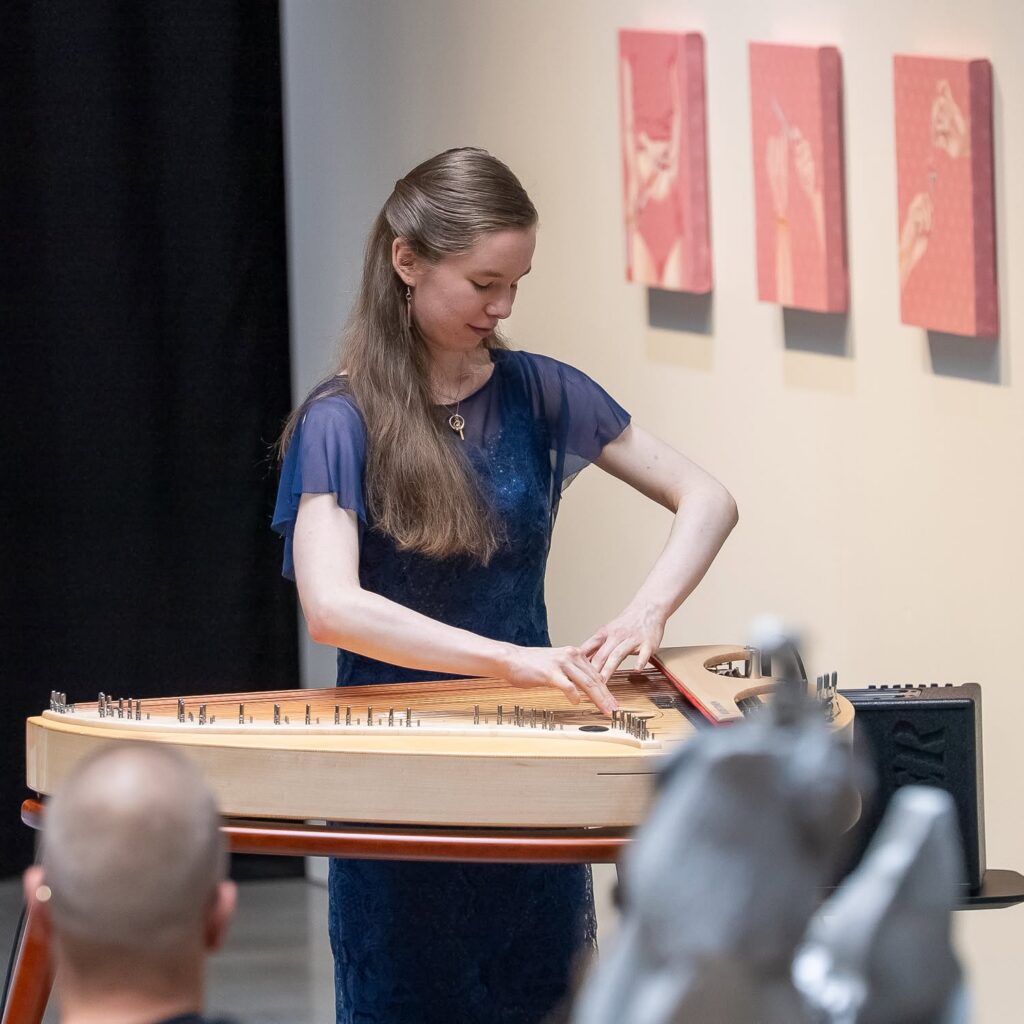
According to Finland’s national bachelor’s feedback survey, Uniarts Helsinki has the most satisfied students in the country. Source: University of the Arts Helsinki/Facebook
University of the Arts Helsinki
At the University of the Arts Helsinki (Uniarts Helsinki), you’ll learn alongside students advancing their knowledge and skills in music, fine arts, performing arts, and writing. This mix gives you plenty of chances to explore different creative fields and ideas.
The university was formed in 2013 when three Finnish institutions — the Academy of Fine Arts, Sibelius Academy, and Theatre Academy — joined together. But this interdisciplinarity is not just a matter of history. Here, it shapes your entire degree from day one.
Uniarts Helsinki’s bachelor’s and master’s programmes fuse studio and rehearsal-room work with research, helping you develop technical skills while finding your own artistic voice. The university also attracts students from around the world: around a quarter of new bachelor’s and master’s students come from outside Finland, bringing different cultural and artistic perspectives to the community.
If fine arts is your focus, the Master’s Programme in Fine Arts lets you specialise in painting, sculpture, printmaking, or time and space arts, including moving image and site-specific work. Public exhibitions give you opportunities to present your work before graduating, while workshops with visiting artists such as Omer Fast and Ciara Phillips broaden your creative perspective.
If you’re drawn to the use of lighting as a tool for expression, the Lighting Design bachelor’s and master’s studies offer another route. You’ll learn to use light, lighting and video technology as tools for artistic expression, while developing the visual thinking and technical skills needed for cultural productions. While closely connected to performance-making, these skills can also open doors to areas such as event planning and architectural lighting design. At master’s level, you can tailor your studies to your interests through courses within lighting design and other Uniarts Helsinki programmes. Your thesis then allows you to deepen your expertise while critically reflecting on your artistic practice and developing your own creative approach.
Wherever your practice takes you, Uniarts Helsinki gives you the training, community, and opportunities to develop your work and share it with the world.
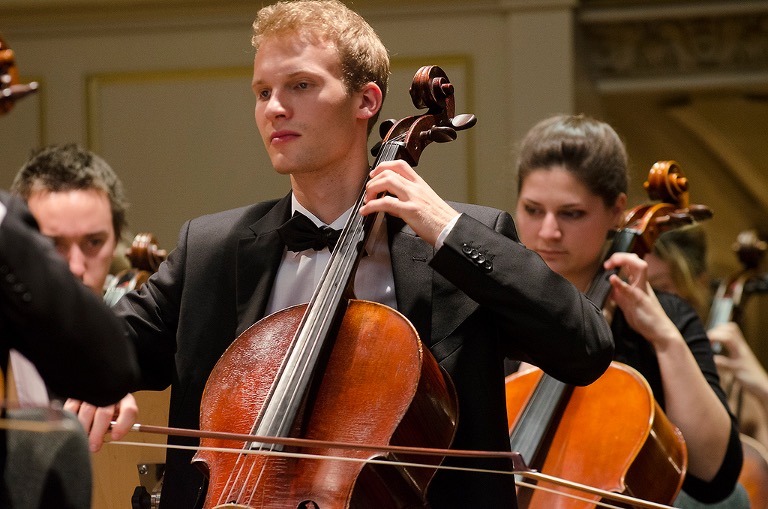
Zurich University of the Arts has nine state-of-the-art studios and workshops for students to use. Source: Zurich University of the Arts
Zurich University of the Arts
With over 2,000 students, Switzerland’s largest arts university houses five departments that revolve around the creative field, namely Performing Arts and Films, Design, Cultural Analysis, Fine Arts, and Music. At the Zurich University of the Arts, students can choose to either start a new journey via a Bachelor of Arts (BA) degree or boost their knowledge and climb the corporate ladder using a Master of Arts (MA) degree.
At the undergraduate level, programmes span Art Education, Contemporary Dance, Design, Film, Media and Art, Music, Music and Movement, and Theatre. Postgraduates can choose from degrees in Art Education, Composition and Theory, Dance, Design, Film, Fine Arts, Music Performance, Specialized Music Performance, Music Pedagogy, Theatre, and Transdisciplinary Studies.
All programmes take place at the shared Toni Campus where students from varying disciplines gather, allowing them to exchange ideas and collaborate with each other. They can also use facilities located around the campus to apply theories learned in class. This includes the nine state-of-the-art and professionally equipped studios and workshops — for woodwork, synthetic materials, model-making, ceramics, metalwork, paper, screenprint, manual printing, and textiles.
Such features are helping Loris Bosco in his pursuit to platform less-noticed topics and people. “In the last three years I have developed from a stuffy mediamatician to a self-confident creative,” says the Cast/Audiovisual Media student.