Growing up in Benin, a small West African country bordering Nigeria, Casimir Agossou never imagined he would win a master’s scholarship in South Korea.
Back then, his knowledge of the country was limited to a single historical fact: there had been a war between the North and South.
But in 2012, a chance encounter completely changed everything.
He met South Korean volunteers through the International Youth Fellowship (IYF) who spent a year hyping up Seoul’s rapid economic rise and global powerhouses like Samsung, Hyundai, and LG.
Coming from low-income Benin, Agossou was hooked. He wanted to understand the mindset behind how a country could transform from poverty to a global powerhouse so fast.
In 2013, he targeted the highly competitive Korean Government Scholarship Programme (then called KGSP, now known as GKS). He applied, won the award, and in 2014, became the first-ever Benin national selected for the scholarship.
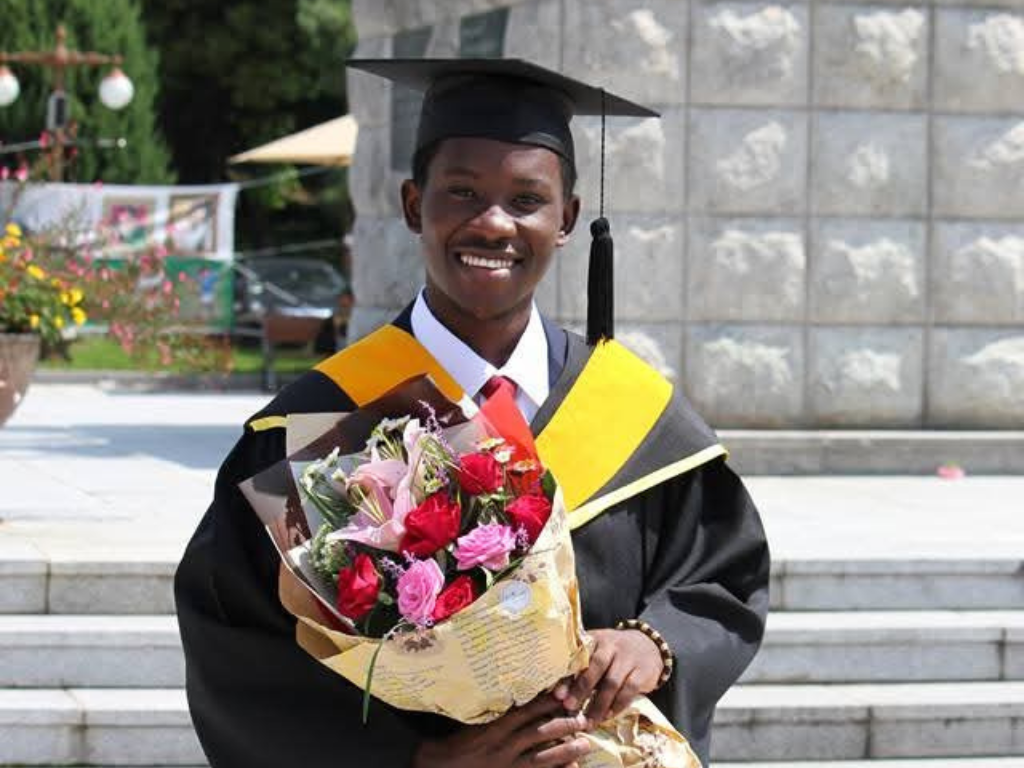
With a master’s scholarship in South Korea, Agossou had the privilege of studying Environmental Science at Kangwon National University. Source: Casimir Agossou
How the master’s scholarship in South Korea started
After landing in South Korea and completing a compulsory year of intensive language study, Agossou joined master’s programme in Environmental Science at Kangwon National University.
His choice of study was driven by a clear mission:
-
The inspiration: “I saw trash everywhere growing up,” he explains. “I wanted to be part of the solution.”
-
The pivot: Instead of studying waste management solely as he originally planned, he joined a remote sensing lab.
-
The scale: He began analysing satellite data to track massive environmental shifts like desertification from space. “That was mind-blowing,” he admits.
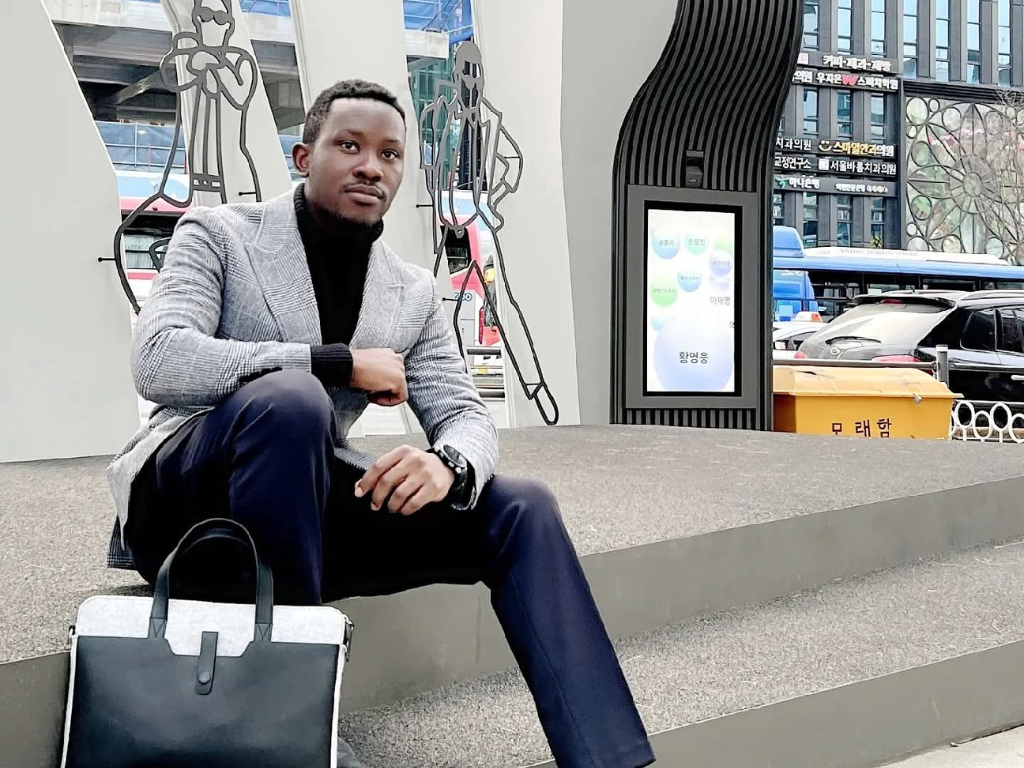
After completing his master’s scholarship in South Korea, Agossou later pursued a PhD in Environmental Science at Kangwon National University. Source: Casimir Agossou
The PhD dream turned to nightmare
After completing his master’s degree in 2017, Agossou faced a major roadblock: the grueling reality of the job market for international graduates. He struggled immensely to secure employment in South Korea.
“Sometimes you cry,” he admits. “Sometimes you wonder, ‘Why am I still doing this?’ It’s depressing.”
The difficulty of finding a job was the primary reason he decided to stay in academia and transition straight into a PhD programme at the same university. He expanded his research area to Mongolia, studying vegetation gradients to predict regional environmental crises.
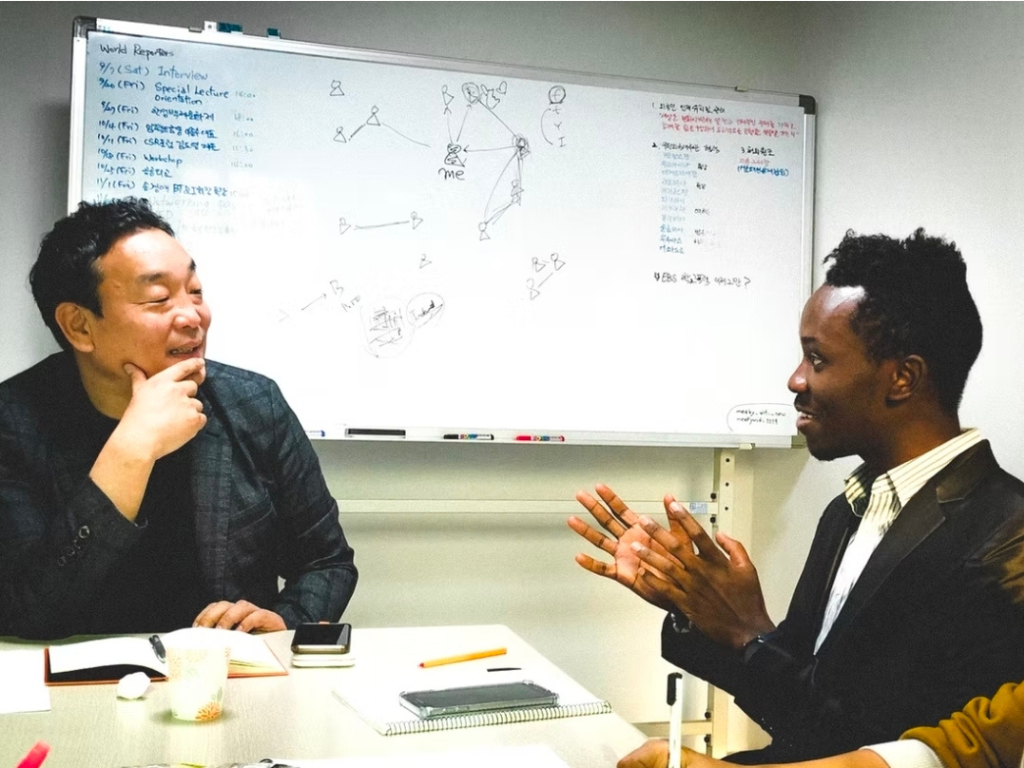
Agossou ‘s journey started with a master’s scholarship in South Korea. Today’s he’s helping other international students find jobs and thrive here. Source: Casimir Agossou
But three years into his PhD, the academic track stopped making sense.
“The deeper I went, the more I realised that this isn’t actually what I want,” Casimir says.
He realised the PhD was funnelling him into only two likely outcomes: becoming a professor or a lifelong researcher. “I couldn’t see myself in that future,” he shares honestly. “And if you can’t see yourself there, why are you walking towards it?”
During his job-hunting struggles after his master’s, he had spent months analysing the hiring system for foreigners, figuring out exactly how companies screen CVs and how to position international skills.
That struggle planted the seed for entrepreneurship. “Business doesn’t care what your major was,” he reflects. “It cares about problems and solutions.”
So, is a master’s scholarship in South Korea worth it?
Casimir ultimately made a decision many are too afraid to make: he put his PhD on hold. Telling his professor was one of the hardest conversations he’s ever had, but he chose to pivot into building what he desperately needed when he was a master’s graduate.
Today, he runs a startup that helps foreigners in South Korea navigate the job market, build CVs, and adapt to the country. “I built what I wish I had,” he laughs.
For master’s aspirants mapping out their next steps, his journey is a reminder to keep your ultimate career goals bigger than your academic titles.
“Getting a PhD degree will always be prestigious,” he shares. “Education is important too, but self-awareness is more important.”